

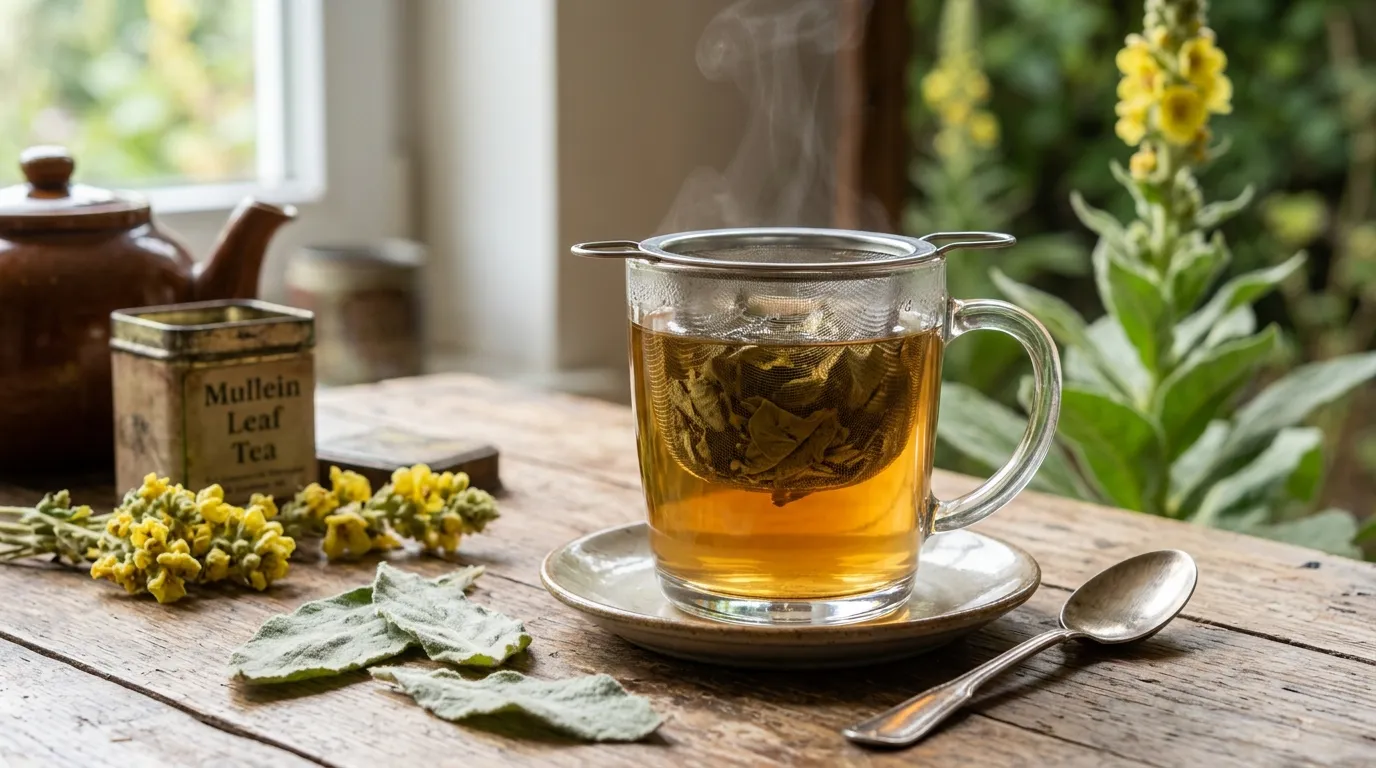
Mullein Tea: Benefits, Safety, Serving Guidance, and How to Make It in 2026
Mullein teais now popular with people looking for natural ways to ease coughs, colds, or chest congestion. Some brands even claim it can “cleanse” the lungs or help with asthma and chronic lung problems.
However, these claims are not fully supported by scientific research.
Mullein has been used for a long time in traditional remedies, especially for dry coughs and sore throats. Lab studies have found that the plant contains compounds with anti-inflammatory, antioxidant, and antimicrobial properties. Still, there is no proof that drinking mullein tea treats lung disease, removes toxins from the lungs, or cures respiratory infections.
This guide will help you understand the difference between traditional uses and proven benefits. It also shows you how to make mullein teasafely, so you avoid getting the plant’s tiny, irritating hairs in your drink.
Medical note:Mullein tea is not a replacement for prescribed medication or medical care. Seek prompt help for breathing difficulty, chest pain, blue lips, high fever, confusion, coughing up blood, or rapidly worsening symptoms.
What Is Mullein Tea?
Mullein tea is an herbal infusion made from dried parts of plants in the Verbascumgenus. Common mullein, or Verbascum thapsus, is the species most often sold for home use.
Depending on the product, the tea may contain:
Dried mullein leaves
Dried yellow flowers
A mixture of leaves and flowers
Mullein blended with herbs such as peppermint or thyme.
Mullein leaves have a soft, fuzzy surface covered with tiny hairs. These hairs are one of the plant’s most recognizable features, but they can irritate the mouth and throat if the finished tea is not filtered carefully.
The European Medicines Agency’s herbal monograph focuses on mullein flower, including Verbascum thapsusand two related species. It recognizes the flower as a traditional herbal preparation for sore throat associated with a dry cough and cold. That recognition is based on long-standing use, not strong clinical trial evidence.
Plain mullein tea is naturally caffeine-free unless it is blended with black tea, green tea, yerba mate, or another caffeinated ingredient.
Mullein Tea Benefits: Traditional Use Versus Scientific Evidence
The best way to understand mullein tea is to look at what people have used it for in the past and what has actually been proven in human studies.
Soothes a dry, irritated throat | Recognized as a traditional use. Direct clinical trial evidence is lacking. |
Helps with a dry cough during a cold | Traditionally used for symptom relief, but not proven to shorten or cure a cold. |
Loosens mucus | Often described as an expectorant, but good human studies are unavailable. |
Cleans or detoxifies the lungs | Unsupported. Tea cannot remove tar, smoke damage, or environmental toxins from lung tissue. |
Treats asthma, COPD, bronchitis, or pneumonia | Unsupported as a treatment. These conditions require appropriate medical care. |
Fights bacteria and viruses | Extracts have shown activity in laboratory research. Drinking the tea has not been proven to treat infections. |
Reduces inflammation | Mullein contains compounds with anti-inflammatory potential, but meaningful effects from tea have not been established in humans. |
Provides antioxidants | Plant extracts show antioxidant activity in laboratory tests. The clinical value of a typical cup is unknown. |
What Are the Potential Health Benefits of Mullein Tea?
It May Temporarily Soothe a Dry Throat
Mullein tea is most often used as a warm, soothing drink when your throat feels dry or irritated.
Mullein flowers contain mucilage and other plant compounds that may coat irritated tissue. This helps explain their traditional use as demulcents, substances used to soothe irritated mucous membranes.
European herbal guidance allows mullein flower tea to be described as a traditional product for relieving sore throat associated with dry cough and cold. It also makes clear that clinical evidence is insufficient and that the use is based on history rather than proven effectiveness.
The warmth and liquid from the tea can also help you feel better. But this does not mean mullein is treating the root cause of your cough.
It May Make a Cough Feel More Manageable
Herbalists often say mullein can soothe coughs and may act as a mild expectorant.
An expectorant helps move mucus so it can be coughed up more easily. Mullein contains saponins and polysaccharides that have been proposed as possible reasons for this traditional effect. Reviews of the plant describe these compounds, but they do not provide strong evidence that a cup of brewed tea has a reliable expectorant effect in people.
The EMA assessment also reviewed an older laboratory experiment involving ciliated frog tissue. In that experiment, a water extract of mullein flower did not increase mucociliary transport. The assessment concluded that no clinical data were available to establish a proven medicinal effect.
If you have a mild cold, mullein tea might feel comforting. But it should not be seen as a proven cough medicine.
Mullein Contains Biologically Active Plant Compounds
Researchers have identified several classes of phytochemicals in mullein, including:
Flavonoids
Saponins
Mucilage and other polysaccharides
Iridoid glycosides
Phenylethanoid glycosides
Phenolic compounds
Tannins
Lab-made extracts of mullein have shown antioxidant, antimicrobial, and other effects. This is one reason why researchers are still interested in the plant.
They do not prove that mullein tea prevents disease.
Lab extracts are often more concentrated or made with special solvents that pull out different compounds than hot water does. So, results from these extracts do not always apply to homemade tea.
It Can Support Hydration During a Minor Illness
A warm cup of mullein tea contributes to daily fluid intake. Staying hydrated can help keep the mouth and throat moist and prevent mucus from becoming unnecessarily thick.
This is a general benefit, not something unique to mullein tea. Water, broth, and other caffeine-free drinks can also help keep you hydrated.
Is Mullein Tea Good for the Lungs?
Mullein tea might help soothe a sore throat, but there is not enough evidence from human studies to say it improves lung function or treats lung disease.
It has not been shown to:
Repair smoke-related lung damage
Remove tar from the lungs.
Reverse COPD
Control asthma
Treat pneumonia
Cure bronchitis
Prevent respiratory infections
Replace inhalers, antibiotics, steroids, or other prescribed treatments.
Your lungs already have ways to clear out mucus and particles, like cilia, immune cells, and coughing. Quitting smoking or vaping and avoiding dust, smoke, and pollution are much more important for lung health than drinking herbal tea.
If you have asthma or COPD, be careful about following advice based only on personal stories. Online, people share very different experiences—some say mullein tea helps clear mucus, while others see no effect. These stories can raise good questions, but they do not prove the tea is effective or safe.
Does Mullein Tea Clean Your Lungs?
No drink can actually “clean” your lungs the way some detox claims suggest.
Mullein tea does not extract smoke residue, reverse scarring, or remove toxins from lung tissue. Increased coughing or mucus after drinking it is not proof that the lungs are detoxifying.
People recovering after smoking or vaping can support respiratory health by:
Stopping exposure to smoke and aerosol
Avoiding secondhand smoke
Staying physically active within safe limits
Following treatment for asthma or COPD
Keeping vaccinations current
Getting persistent coughing or breathlessness evaluated
If your cough lasts more than three weeks, or you also have wheezing, weight loss, fever, blood, or trouble breathing, you should see a doctor.
What Does Current Research Say About Mullein Tea in 2026?
Research on Verbascum thapsusis still largely preclinical. Scientists continue to examine extracts, isolated compounds, and possible antimicrobial or antioxidant activity.
Recent studies have explored:
Chemical profiles of mullein leaf and root extracts
Activity against bacteria and fungi in laboratory conditions
Antioxidant capacity in test systems
Isolated flavonoids and other plant compounds
Topical wound-healing applications
For example, a 2024 study examined antimicrobial activity and chemical constituents in mullein leaf and root extracts. A 2025 study investigated the metabolic profile and laboratory antioxidant and antibacterial potential of leaf extracts. Research published in 2026 has also examined an isolated mullein flavonoid using antimicrobial tests and computer modeling.
These studies are early steps. They do not show that ordinary mullein tea treats infections, inflammation, or respiratory disease in humans.
As of 2026, the central evidence gap remains unchanged: well-designed human trials of mullein tea for coughs, lung function, asthma, COPD, or respiratory infections are lacking. The EMA assessment specifically found no clinical data supporting well-established medicinal use.
Mullein Tea Nutritional Profile
It’s best to think of mullein tea as an herbal drink, not as a food that is rich in nutrients.
A plain, unsweetened cup contains little energy or macronutrients. Exact values depend on the amount of herb, the plant part, steeping time, and the product used. There is no widely accepted standardized nutrient profile for homemade mullein tea.
Mullein contains plant chemicals like flavonoids and saponins, but these are not the same as essential nutrients. Just because they are in the dried herb does not mean they all end up in your tea or get absorbed by your body.
Calories | Minimal |
Protein | Negligible |
Fat | Negligible |
Carbohydrate | Minimal |
Caffeine | None, unless blended with a caffeinated ingredient |
Vitamins and minerals | Not present in reliably established dietary amounts |
Plant compounds | May include small, variable amounts of water-soluble phytochemicals |
Honey, sugar, milk, or flavored syrups will change the calorie and carbohydrate content.
How to Make Mullein Tea Safely
The most important part of making mullein tea is not how long you steep it, but how well you filter it.
Mullein Tea Preparation Guide
You will need:
Dried mullein intended for food or tea use
Boiling water
A covered mug or teapot
A paper coffee filter, fine cloth filter, or several layers of cheesecloth
Method:
Place the dried mullein in a mug or teapot.
Pour boiling water over the herb.
Cover and steep for 10 to 15 minutes.
Pour the tea through a paper coffee filter or tightly woven cloth.
Check the liquid for floating fibers before drinking.
Serve warm.
For medicinal mullein flower preparations, the EMA monograph lists 1.5 to 2 grams in 150 milliliters of boiling water per infusion.
Commercial leaf products may use different amounts. Follow the product label rather than assuming that flower and leaf preparations have identical dosing.
Why Mullein Tea Must Be Strained
The surface of mullein leaves is covered with fine hairs. A basic metal tea ball may allow the smallest fibers to pass through.
Use one of these instead:
A paper coffee filter
A tightly woven reusable tea filter
Several layers of cheesecloth
A fine paper tea bag designed for loose herbs
Many people complain about poor filtering at home. The tiny hairs can make your throat feel scratchy or prickly, which is the opposite of what you want from a soothing tea.
Optional Additions
Honey can improve the taste and may soothe a cough in adults and children over one year old. Never give honey to a child younger than 12 months.
Lemon adds acidity, which some people enjoy but others find irritating when their throat is already sore.
How Much Mullein Tea Can You Drink?
There is no scientifically established dose of mullein leaf tea for improving lung health or treating illness.
For mullein flower, European traditional-use guidance lists:
Single preparation:1.5 to 2 grams in 150 milliliters of boiling water
Frequency:Three to four times daily
Total daily amount:4.5 to 8 grams
Duration:Seek medical advice if symptoms continue beyond one week
These guidelines are based on traditional use for people over 12 and adults. There is no proof that drinking more or having it more often gives extra benefits.
For casual use, a cautious approach is to begin with one properly filtered cup. Stop if it causes throat irritation, rash, nausea, or any unusual reaction.
We do not know if it is safe to drink mullein tea every day for a long time. Just because it is a plant does not mean it is always safe to use in large amounts.
Potential Mullein Tea Side Effects
Traditional records in Europe do not show a clear pattern of common side effects from mullein flower. However, there is not much safety research. “No known side effects” does not mean side effects cannot happen.
Possible problems include:
Throat and Mouth Irritation
Fine leaf hairs can remain in the liquid and irritate the throat. Careful filtering lowers this risk.
Stop drinking the tea if it produces a scratchy, burning, or prickling feeling.
Skin Irritation
Touching the fuzzy leaves can bother sensitive skin. Wash your hands after handling loose mullein and try not to touch your eyes.
Allergic Reactions
Anyone can react to an herb. Stop using mullein and seek medical care for swelling, hives, wheezing, severe itching, dizziness, or trouble breathing.
People with a known allergy to mullein should not drink it.
Contamination or Misidentification
Wild-harvested plants can be contaminated by pesticides, animal waste, road dust, or polluted soil. They may also be confused with another plant.
Choose a product that:
Clearly names the plant species.
Identifies the plant part
Provides preparation directions
Includes a lot number and expiration date
Comes from a traceable manufacturer
Has been tested for identity and contaminants when possible
In the United States, the FDA does not check dietary supplements for safety or effectiveness before they are sold. This means it is important to choose high-quality products.
Mullein Tea Drug Interactions
No specific medication interactions are well established for mullein flower. The EMA monograph lists no reported interactions. That wording is important. It means interactions have not been reported in the reviewed evidence, not that careful interaction studies proved there are none.
Check with a pharmacist or clinician before drinking mullein tea regularly if you take:
Prescription medication
Blood thinners
Diuretics
Diabetes medication
Blood pressure medication
Sedatives
Immunosuppressive medication
Drugs with a narrow therapeutic range
This warning comes from limited research on mullein and the fact that supplements can sometimes interact with medicines, affect health conditions, or change lab test results. The FDA says you should not assume a natural product is always safe to use with your medication.
Bring the package or a photo of the ingredient label when asking a pharmacist about possible interactions.
Who Should Not Drink Mullein Tea?
Pregnant or Breastfeeding People
Safety during pregnancy and breastfeeding has not been established. European guidance does not recommend mullein flower during these periods because adequate data are missing.
Children Under 12
The EMA monograph does not recommend medicinal mullein flower use in children younger than 12 because safety data are insufficient.
Parents should talk to a pediatrician before giving any herbal tea to a child.
People With Serious or Chronic Respiratory Conditions
People with asthma, COPD, recurrent bronchitis, or another diagnosed lung condition should not replace prescribed treatment with mullein tea.
Seek medical help if you develop:
Shortness of breath
Fever
Pus-like, yellow-green, or foul-smelling sputum
Chest pain
Wheezing that is new or worsening
Falling oxygen levels
Symptoms lasting longer than one week
These warning signs are also reflected in European safety guidance for traditional mullein products.
People With Plant Allergies
If you have had a reaction to mullein before, do not use it again. When trying new herbal products, add only one at a time so it is easier to spot any problems.
Common Mistakes When Using Mullein Tea
Treating It as a Lung Detox
Mullein tea does not clean smoke damage from the lungs. Improvement after quitting smoking comes from ending exposure and allowing the body’s natural recovery processes to work.
Using a Coarse Strainer
A standard kitchen sieve or wide metal tea ball may not catch the smallest hairs. Use paper or tightly woven cloth.
Buying a Product With No Plant Information
“Mullein blend” is not enough. Look for the scientific name, plant part, ingredient list, and manufacturer details.
Assuming More Tea Works Better
Drinking a lot of mullein tea has not been shown to give better results for your lungs. It may just mean you are taking more of an herb that has not been fully studied.
Delaying Medical Care
A soothing drink can make a sore throat feel better, but temporary comfort does not rule out pneumonia, asthma, influenza, COVID-19, or another condition requiring treatment.
Frequently Asked Questions About Mullein Tea
What is mullein tea good for?
Mullein tea is traditionally used to soothe a dry, irritated throat and cough associated with a minor cold. Strong human evidence for broader benefits is lacking.
Is mullein tea good for your lungs?
It may feel soothing during mild respiratory irritation, but it has not been proven to improve lung function, repair lung damage, or treat asthma, COPD, bronchitis, or pneumonia.
Does mullein tea clean your lungs?
No. It does not remove tar, toxins, scar tissue, or smoke damage from the lungs.
Does mullein tea make you cough up mucus?
Some people report easier mucus clearance, but this effect has not been confirmed in reliable human trials. Increased coughing is not evidence of a lung detox.
How often should you drink mullein tea?
There is no evidence-based daily dose for mullein leaf tea. Traditional European guidance for mullein flower describes 1.5 to 2 grams in 150 milliliters of water, three to four times daily, for short-term use in people over 12.
Can you drink mullein tea every day?
Occasional short-term use appears to have a low reported risk for many adults, but long-term daily use has not been adequately studied. Regular users should discuss it with a clinician or pharmacist.
How long does mullein tea take to work?
There is no clinically established time to benefit. Warm tea may provide immediate throat comfort, while claims about longer-term lung improvement are unproven.
Does mullein tea have caffeine?
Plain mullein tea is caffeine-free. Check the ingredient list because blended products may contain green tea, black tea, or yerba mate.
Can you drink mullein tea while pregnant?
It is not recommended because safety during pregnancy has not been established.
Can mullein tea interact with medication?
No specific interactions have been confirmed, but research on interactions is limited. Ask a pharmacist before regular use if you take prescription medicine.
Can you make tea from fresh mullein?
Fresh mullein can contain dirt, microbes, pesticide residue, and large numbers of irritating hairs. A commercially prepared tea product is easier to identify, measure, and filter safely.
What is the most important safety tip?
Filter the tea through paper or tightly woven cloth. Do not rely on a coarse strainer.
The Bottom Line
It is best to think of mullein tea as a traditional drink that can bring short-term comfort for a dry throat or mild cough. Its long history of use is better known than its proven medical benefits.
The plant contains interesting phytochemicals, and laboratory research continues in 2026. Still, studies on extracts and isolated compounds do not prove that a cup of mullein tea treats infection, clears the lungs, controls asthma, or repairs damage from smoking.
Choose a product with a clear label and filter your tea well. Keep your expectations realistic, and do not let herbal tea delay getting proper care if you have ongoing or serious breathing problems.
Before making mullein tea a regular habit, check which part of the plant is used, read the preparation instructions, and look at the full ingredient list. If you take medication, bring the label to your pharmacist to check for safety.